


The virtuous find joy in mountains, for their stability and natural essence nurture all living things.
The wise find joy in water, for its ceaseless flow brings renewal to generations.
— The Analects · Yong Ye
In the art of crafting the guzheng, we remain committed to the pursuit of pure and unpretentious "Radiance" aesthetics,
selecting top-tier materials and blending contemporary design with exquisite craftsmanship.
Breaking away from traditional concepts of the guzheng,
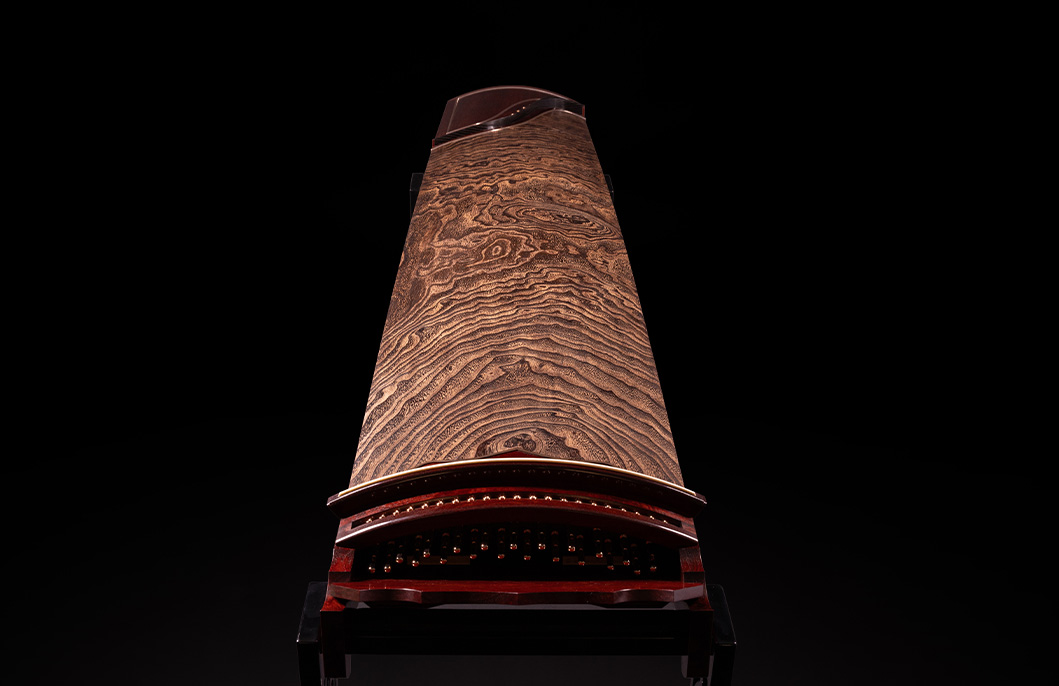
we incorporate the wonders of nature to create the collectible classic guzheng, "Joy in Water, Joy in Mountains."
From another perspective, while the environment plays a crucial role in shaping an individual's character, people can, in turn, influence the ecological values of society and their era. While we enjoy the beauty of mountains and rivers, it is even more worthwhile to consider how to achieve a state of finding joy in both "loving the rivers and loving the mountains." In the process of coping with the shifts of the times and changing values, within the context of rapidly flowing information and the increasing abundance of knowledge and technology, we must not abandon the pursuit of the beauty of virtue.
Compared to knowledge-based education, the influence of the environment is particularly critical, while human principles and the virtues of persistence are equally indispensable. Therefore, placing "the wise delight in water, the virtuous delight in mountains" into a contemporary context demands deeper reflection on how to realise one's own "joy in water and joy in mountains" within society. While striving for personal fulfilment, we should also pursue things that are truly virtuous and beautiful, contributing values of ultimate goodness and virtue to society in the process.
Through this, we can not only understand ourselves better but also inspire others, shaping an ideal life together and discovering genuine happiness. And music, as a form of synesthetic beauty, is it not the perfect interpretation of this philosophical thought?
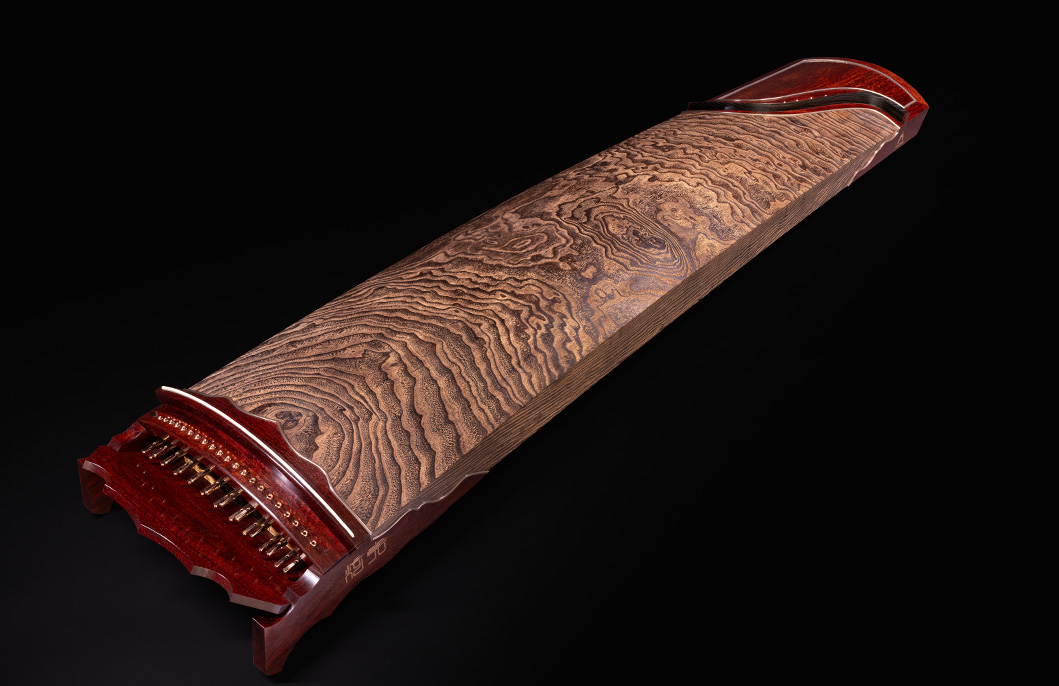
Using rare North American Paulownia wood with a 70-year growth period as the body material, and over 100-year-old Indian rosewood for decorative detailing, we proudly introduce "Joy of Waters, Joy of Mountains," following the success of "Joy of Mountains, Joy of Waters."
The "Yue shan le shui" features Japanese Paulownia wood, renowned for its unique mountain-like grain patterns that rise and fall gracefully, resembling undulating mountain ranges full of rhythm.
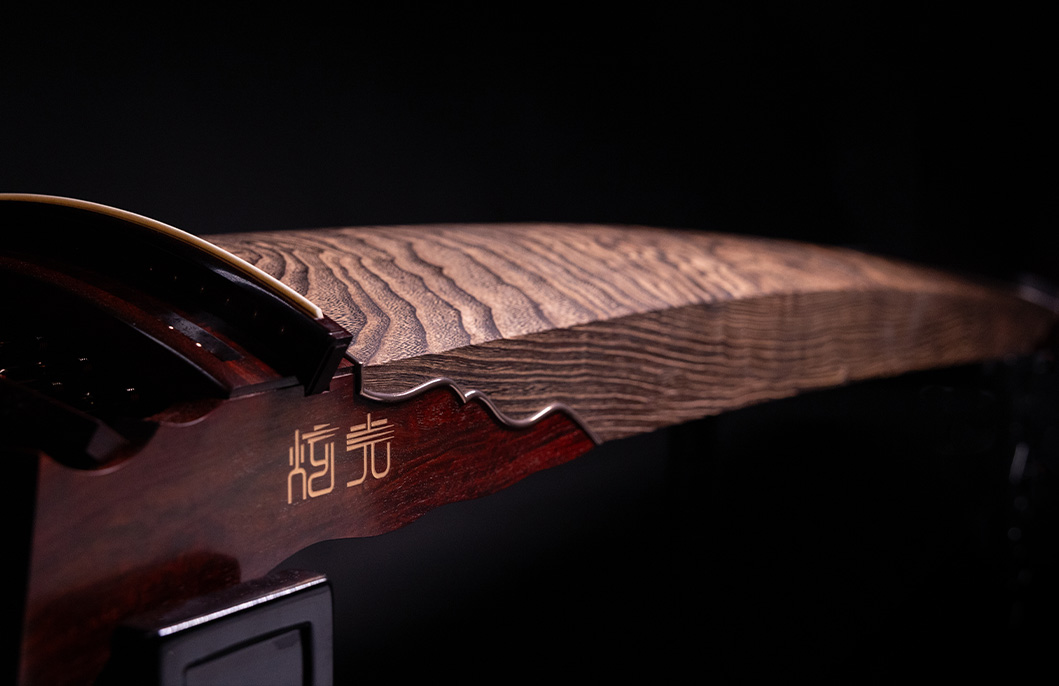
In contrast, "Le Shui Le Shan" utilises North American Paulownia wood, characterised by its distinctive horizontal grain, smooth and even like the horizon, evoking the beauty of waves on the ocean's surface and showcasing the wonders of nature.
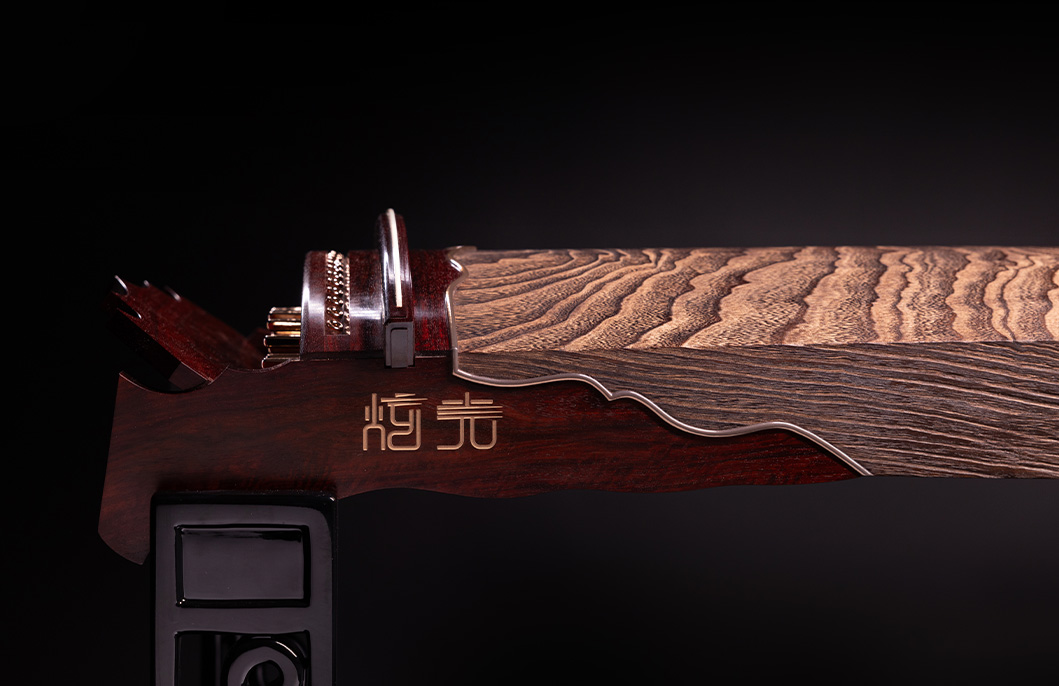
Mr Mok Wai Leung, founder of "XuangGuang," has carefully selected two rare materials for the body of the instrument, both characterised by distinctive regional styles and iconic grain patterns. The body combines rare Indian rosewood with paulownia wood grain, complementing each other to reveal the unique charm of its precious shadowed patterns.
The "Le Shui Le Shan" design features 70-year-old rare North American paulownia wood as the main material for the instrument body. Its delicate, silk-like texture resembles flowing water and shimmering lake surfaces, as well as the gentle, drifting clouds on the horizon. This design perfectly embodies the harmonious fusion of natural beauty and exquisite craftsmanship.
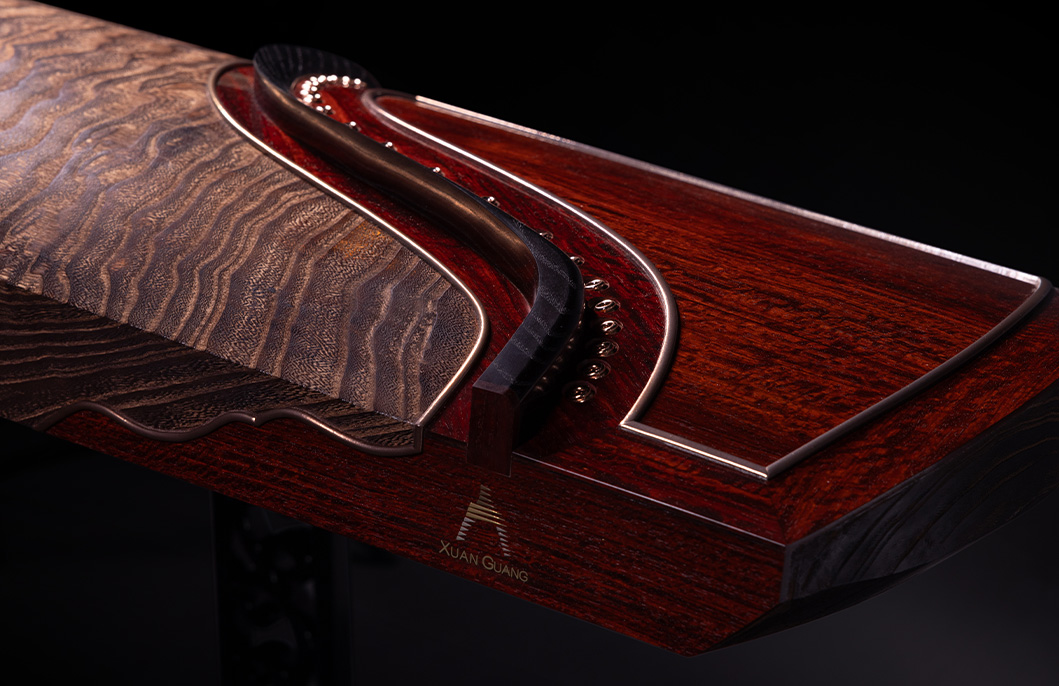
The instrument body is paired with Indian rosewood, creating a complementary texture, accented with rose gold embellishments to form a striking contrast. As the Indian rosewood gradually oxidises, shifting from blood-red to deep purple-black, the rose gold details become even more prominent, enhancing the beauty of the instrument's unique grain patterns. The overall design resembles a natural work of art, vividly showcasing the boundless allure of nature.
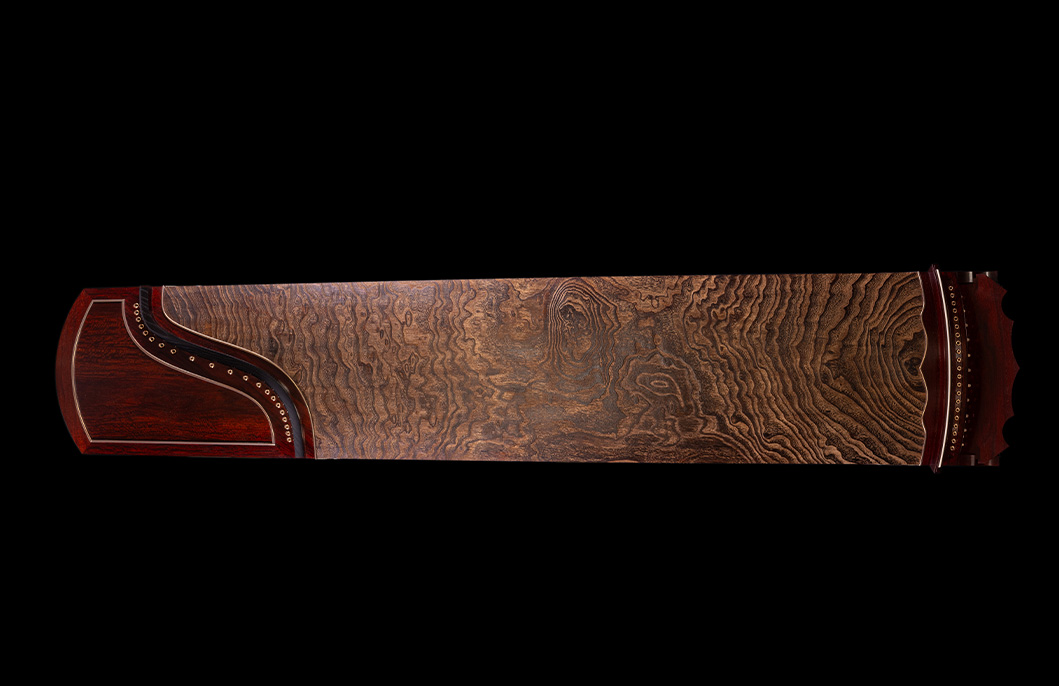
Paulownia is one of the oldest tree species in the world, existing even before the Ice Age. Due to geological changes, paulownia gradually disappeared in North America, surviving only in parts of mainland China. Early Chinese farmers recognised the unique growth advantages of paulownia and began cultivating it purposefully for use as timber.
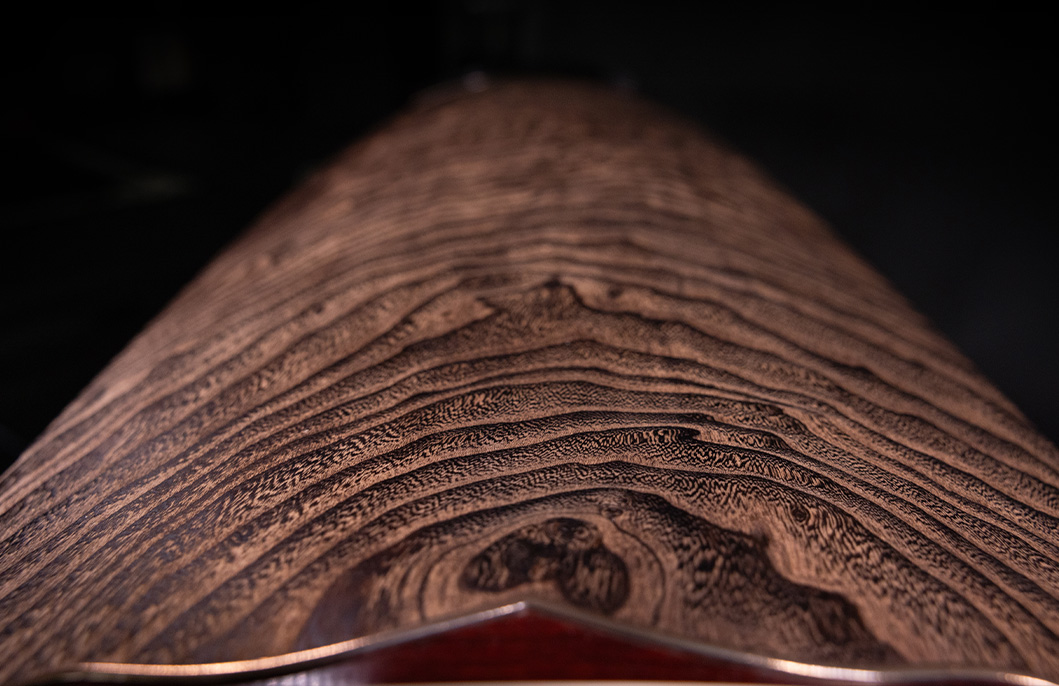
After long-term efforts, the cultivation techniques for paulownia wood were spread from China to Japan, Korea, and Southeast Asia, and introduced to North America in the 18th century. Due to factors such as latitude, climate, and soil in different regions, the characteristics of paulownia wood have also changed accordingly. Through continuous updates and improvements, paulownia wood in various regions has developed unique grain patterns and density characteristics.
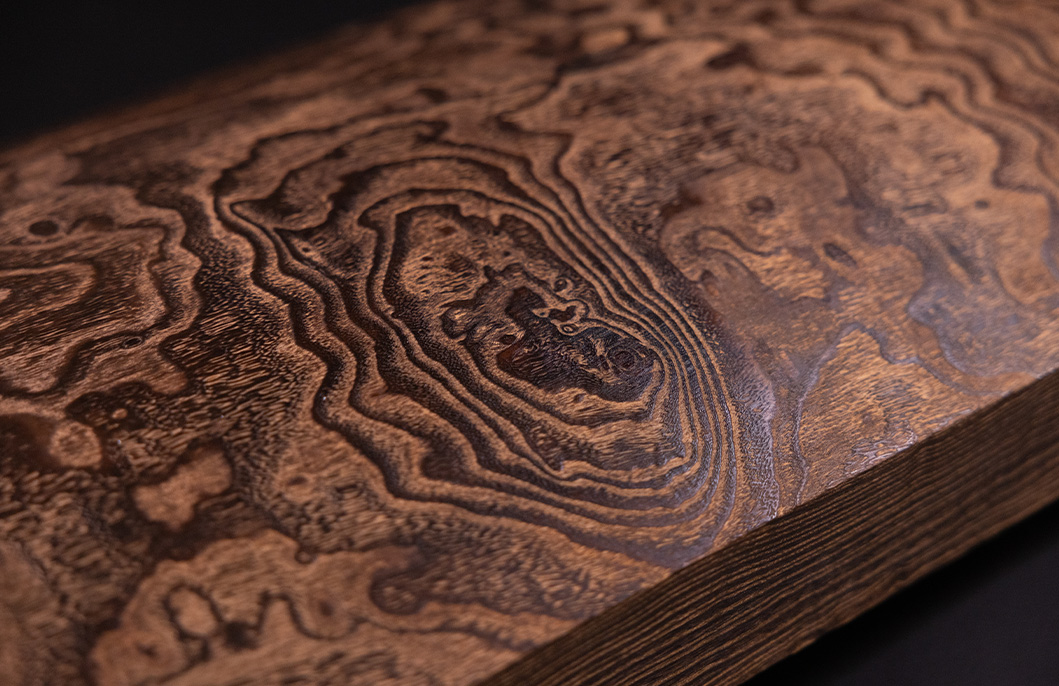
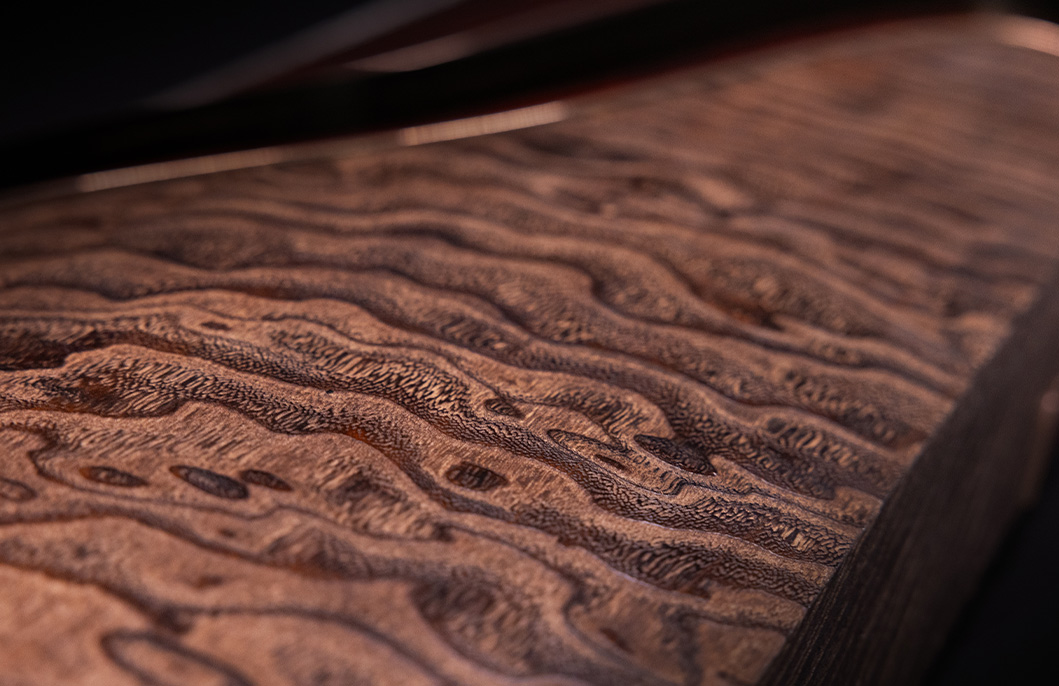
Due to the limitations of the environment and growing conditions, North American paulownia wood with such high density and unique patterns is extremely rare. Therefore, using North American paulownia wood to craft the Radiant Light Collector's Edition Guzheng, "Le Shui Le Shan," is exceptionally precious and rare.
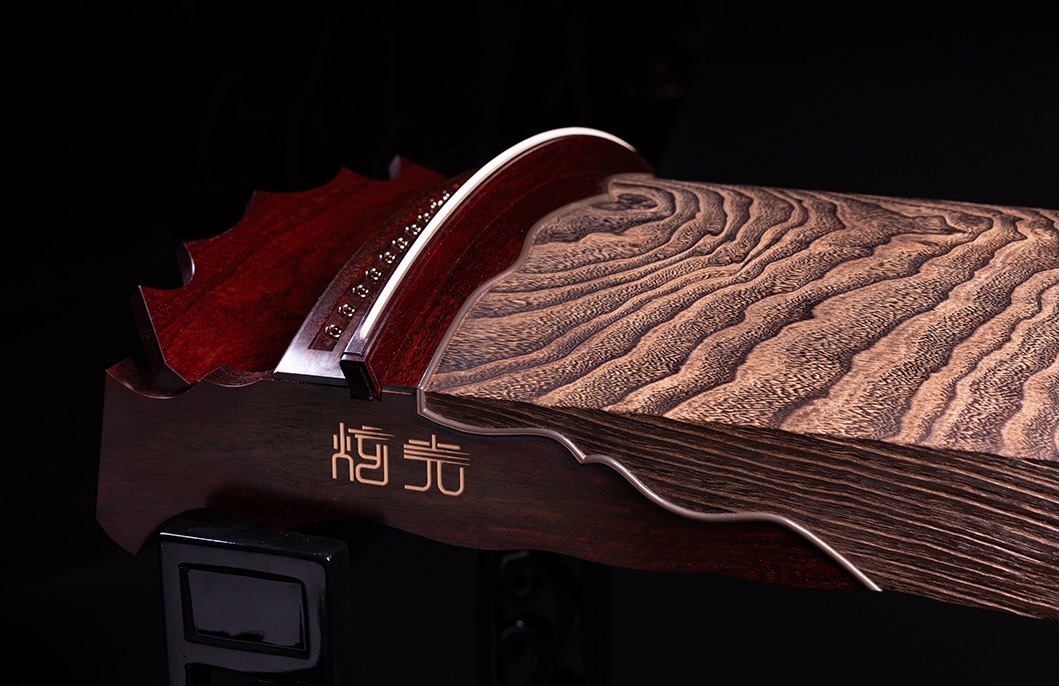
In the pursuit of tonal quality, one must not overlook every single detail. "Le Shui Le Shan" uses Indian Rosewood for the guitar head, not only because of its rarity but also due to its wood properties. Indian Rosewood is a premium variety of rosewood, known for its high density, excellent stability, and top hardness among timbers, making it the ideal choice for a guitar head.
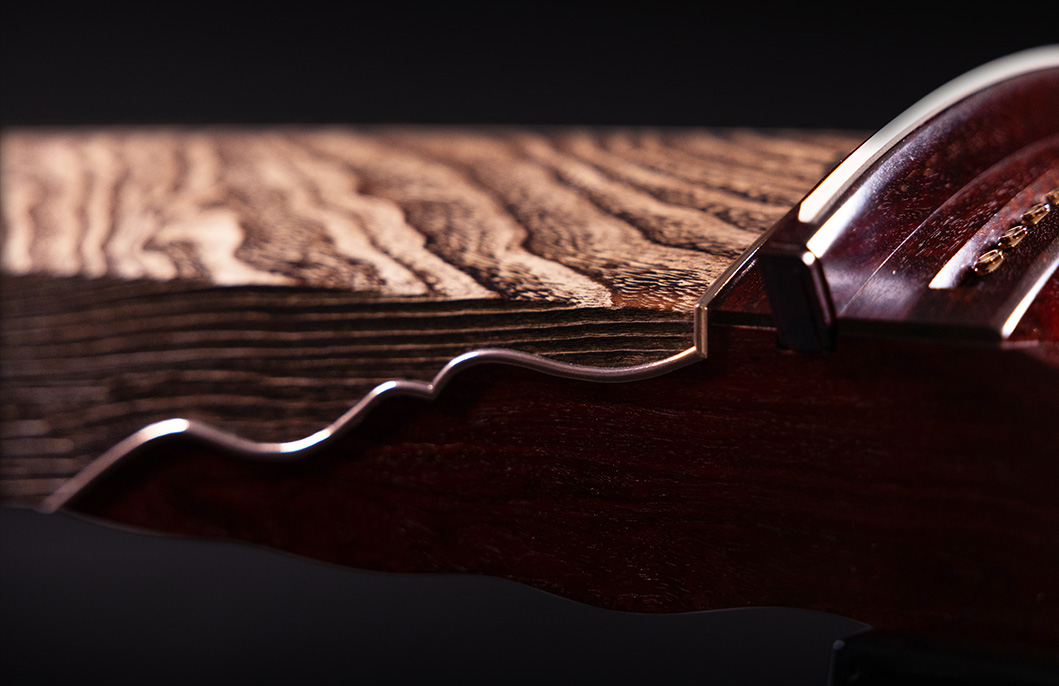
To enhance the quality of the guzheng, it must be improved from the inside out. With the finest materials selected, it should also feature intricate decorative elements. "Le Shui Le Shan" uses rose gold in a 3D design to outline the shape of the instrument's head, adding a touch of modern style to "Le Shui Le Shan."
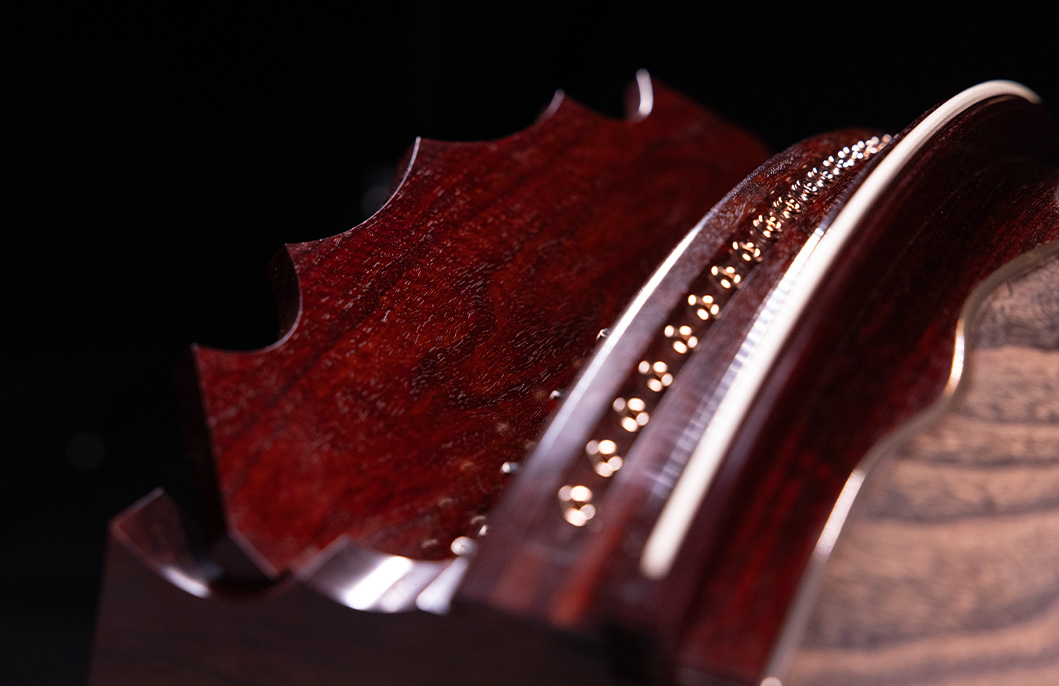
The resonance board is the standout feature of "Le Shui Le Shan" During the testing process at a koto manufacturing factory in Japan, it was discovered that the box-shaped design of many traditional koto heads actually hindered sound transmission. After extensive testing and refinement, the resonance board was adopted as a replacement, resulting in a clearer and sharper sound.
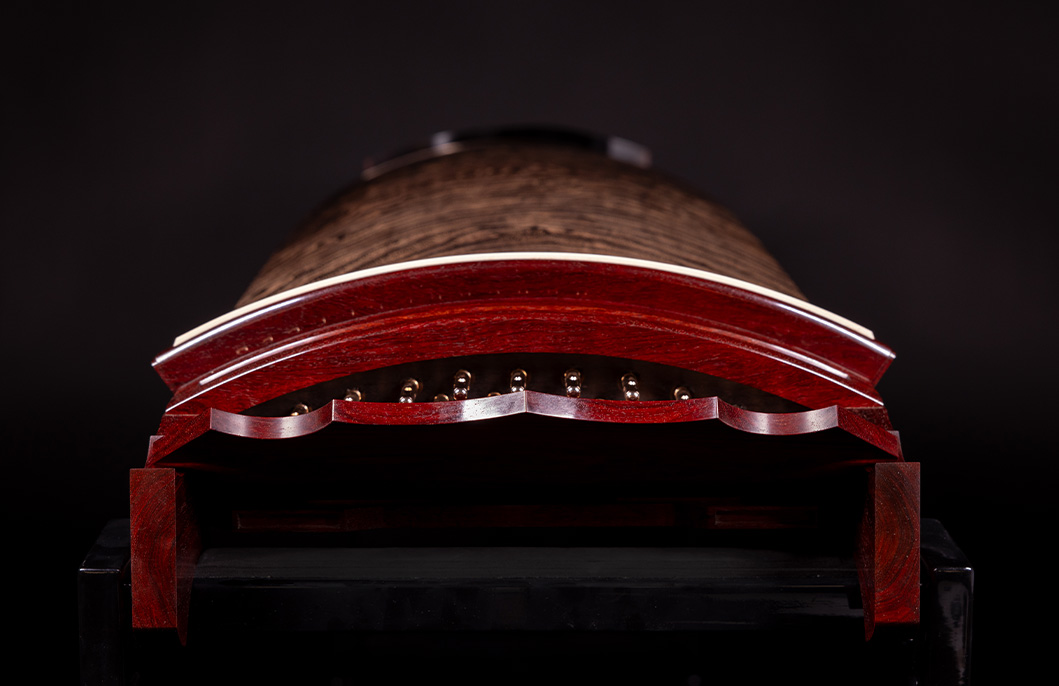
To ensure the stability of the zither's sound, Xuanguang guheng will never compromise on quality for cost-saving. The zither head continues to use original Indian rosewood for inlay, allowing the sound to resonate consistently without distortion from changes in materials.
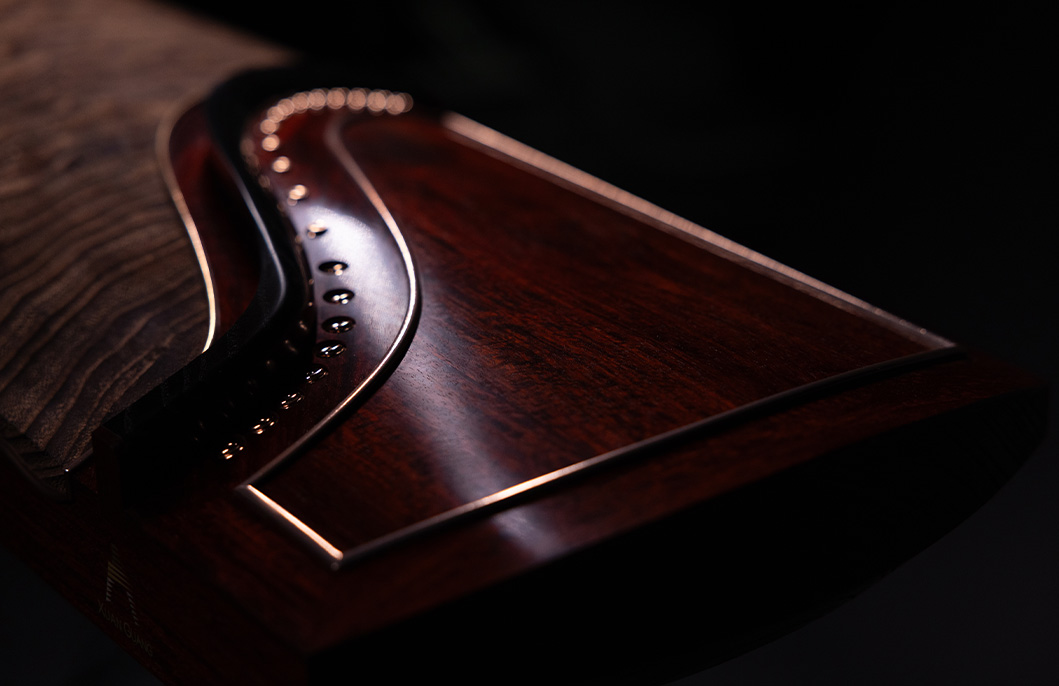
Indian rosewood displays the wood grain's natural texture.
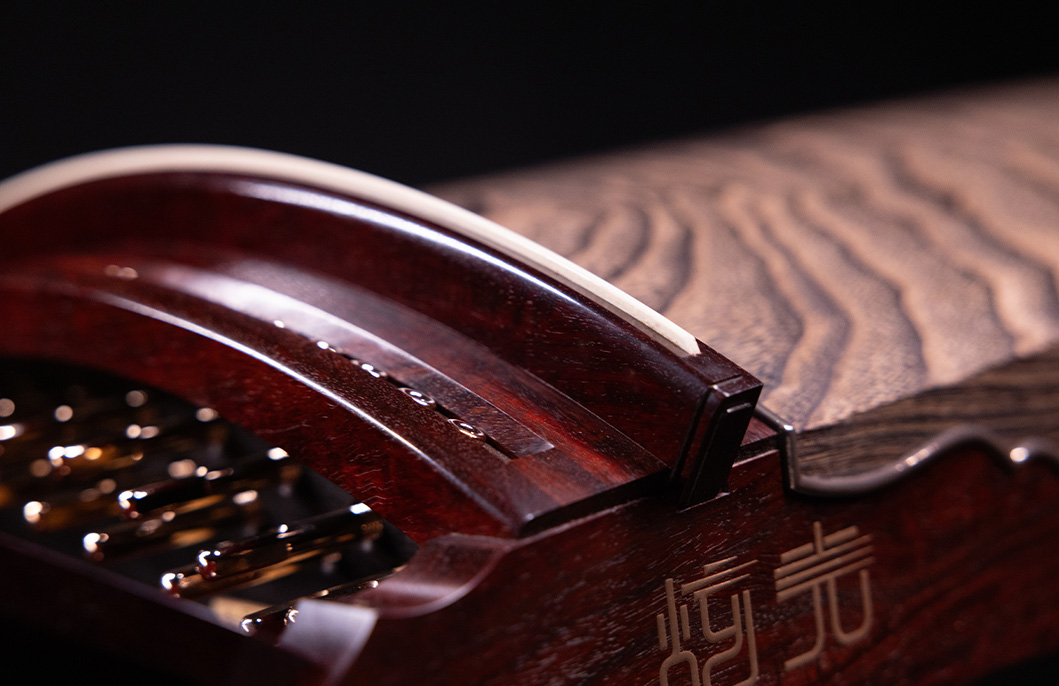
The front bridge is carved out of an integral piece of Indian red sandalwood. Its flawless arc is the result of numerous adjustments by the craftsman such that the tenon fits perfectly on the zheng body to facilitate optimal sound projection.
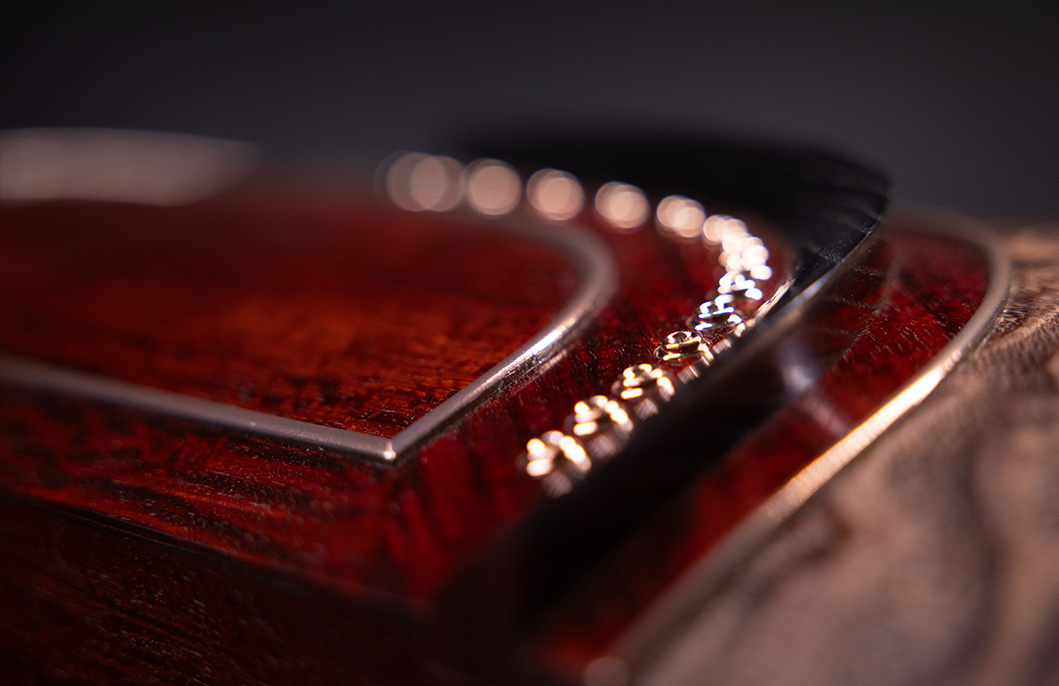
Made of 18K Rose gold, durable and not easily faded.
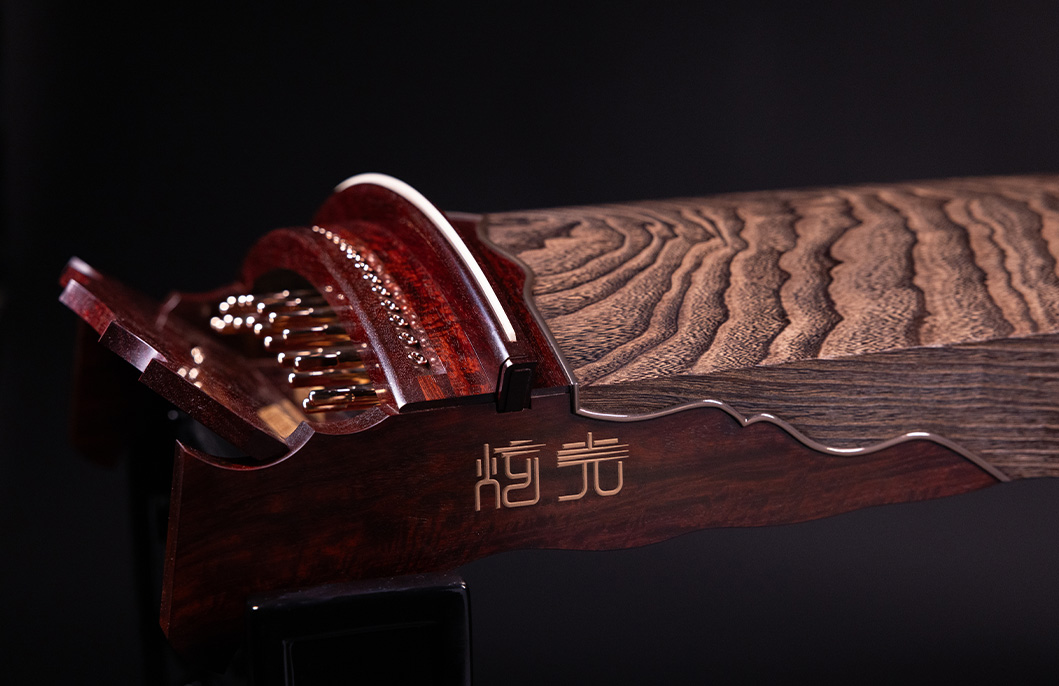
The echo board is a design patent of the Xuan Guang. This unique design can only be found in the Xuan Guang; even if its appearance can be replicated, its essence can never be duplicated. The technical expertise required in the manufacturing process is the essence derived from our joint research with the Japanese manufacturers, and it is the greatest guarantee of ensuring the quality of "Le Shui Le Shan"
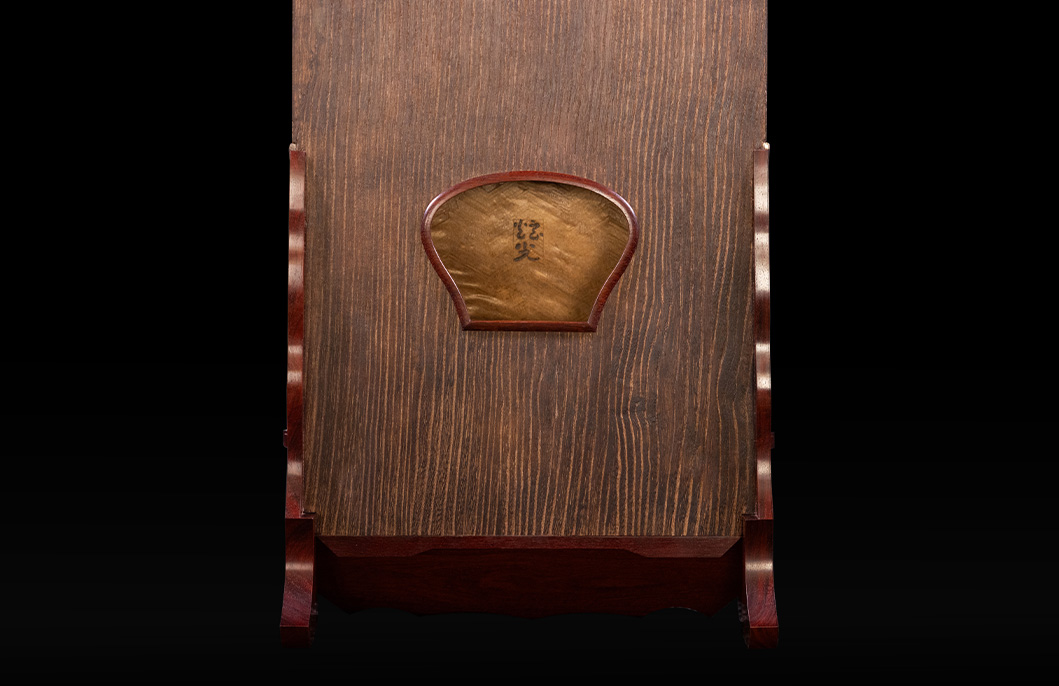
Carving three-layer triangular engraving takes triple as much time than single-layer triangular engraving because of the ultimate precision it demands. Even a tiny mistake could lead to a complete redo of the instrument from scratch. As the interior of the zheng body is a curved surface instead of a flat one, the craftsman needs to take into consideration the contour of the body as well as the way sound is transmitted during playing. Three-layer engraving allows more surface area of the interior to come into contact with the atmosphere, thereby adding depth to the sound layers with aftertones that are more dramatic and compelling.
The sound hole on the backboard panel is also cloaked with red sandalwood to ensure that the sound comes across as solid and well rounded, rather than diffused and scattered.
